

- All Posts
Every afternoon at precisely three o’clock, my Abuelita watched the beloved pianist Liberace on television. Dressed in an elegant tuxedo...
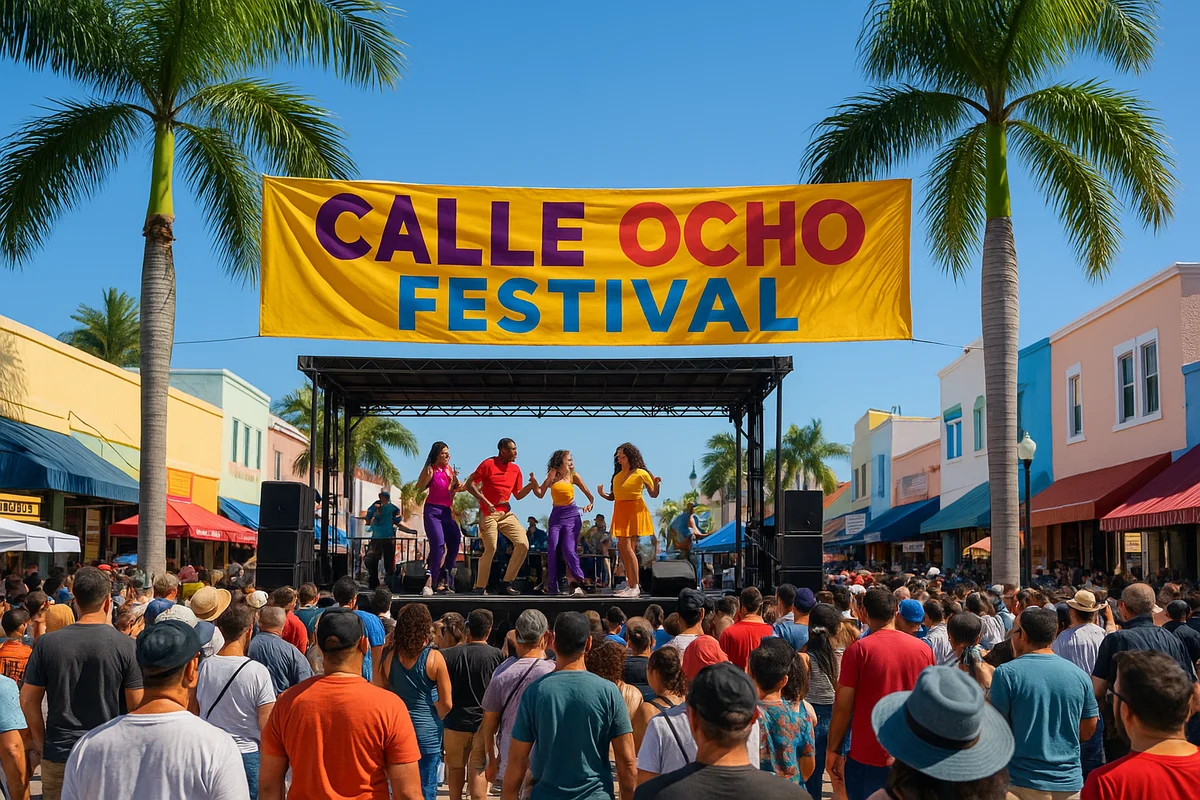
CALLE OCHO SPANISH Bajo el sol de la famosa Calle Ocho de Miami, miles de amantes de la música se...
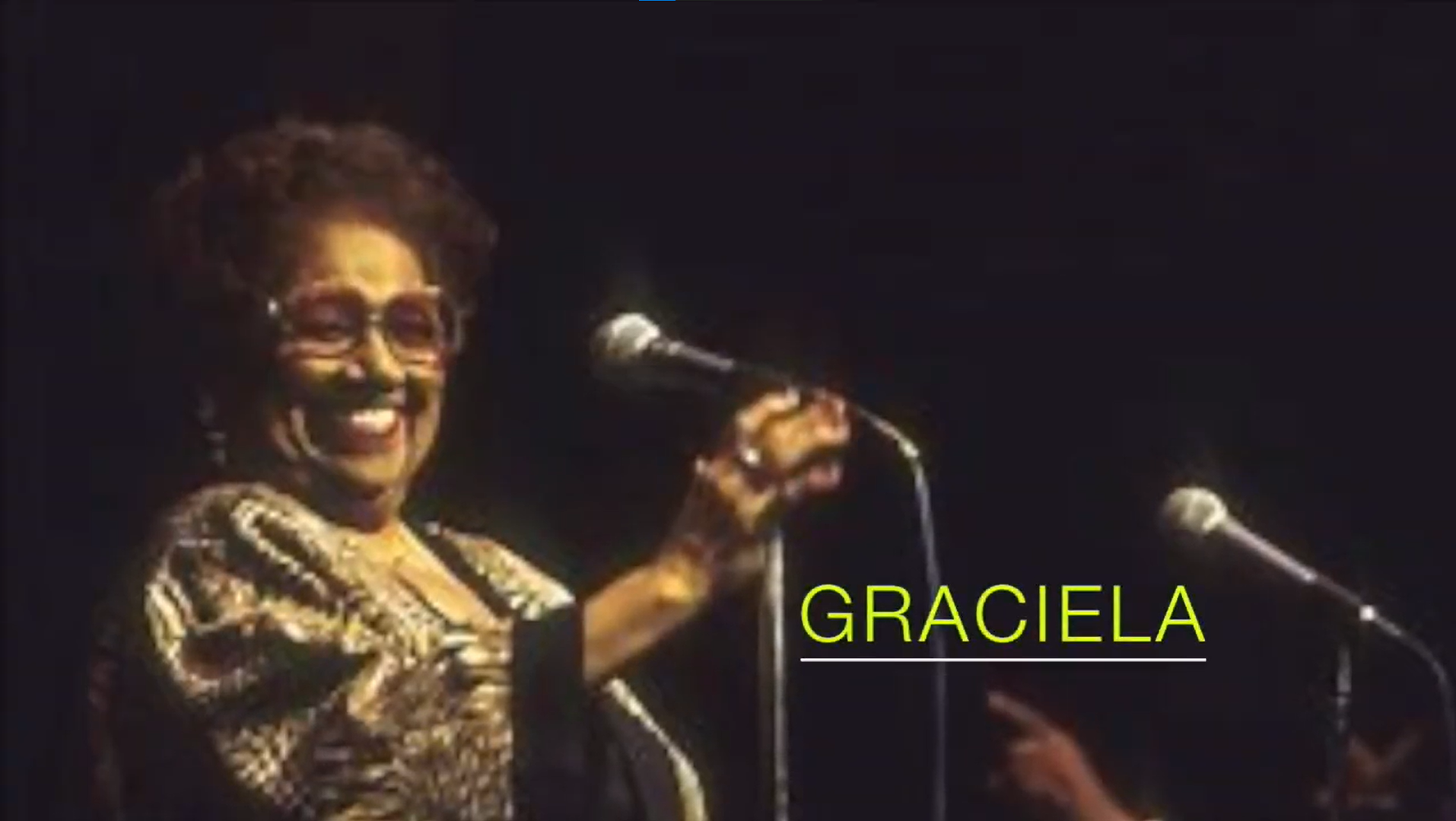
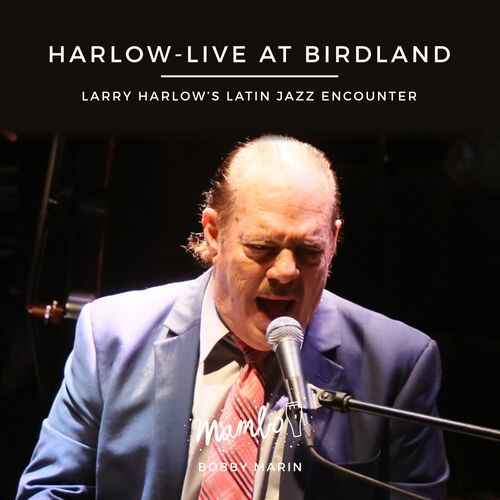
LA CARTERA The late LARRY HARLOW has been a major part of the universal success of Latin music since the...

I like it Like that Fania asked me to revisit this classic and create a slightly different version. My goal...
CALLE OCHO Beneath the sunshine of Miami’s famous Calle Ocho, thousands of music lovers gather to celebrate the sounds of...
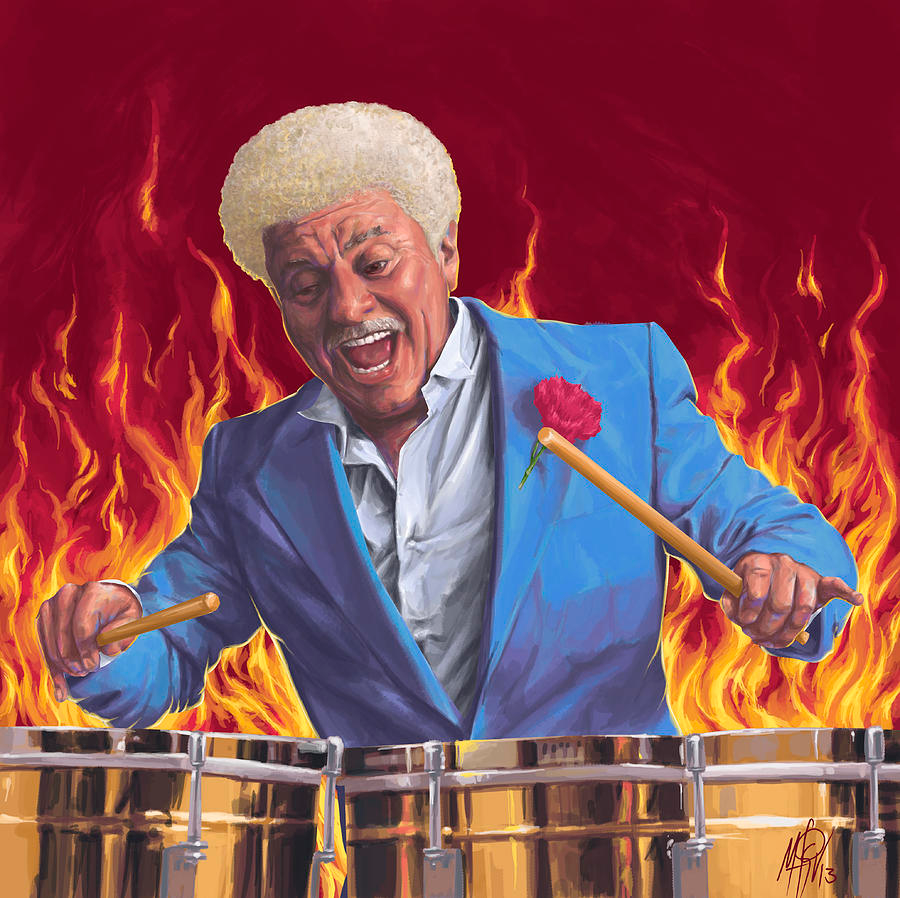
RIO For years, Tito Puente yearned to record with renowned saxophonist Zoot Sims. Producer Richard Marin helped make that dream...
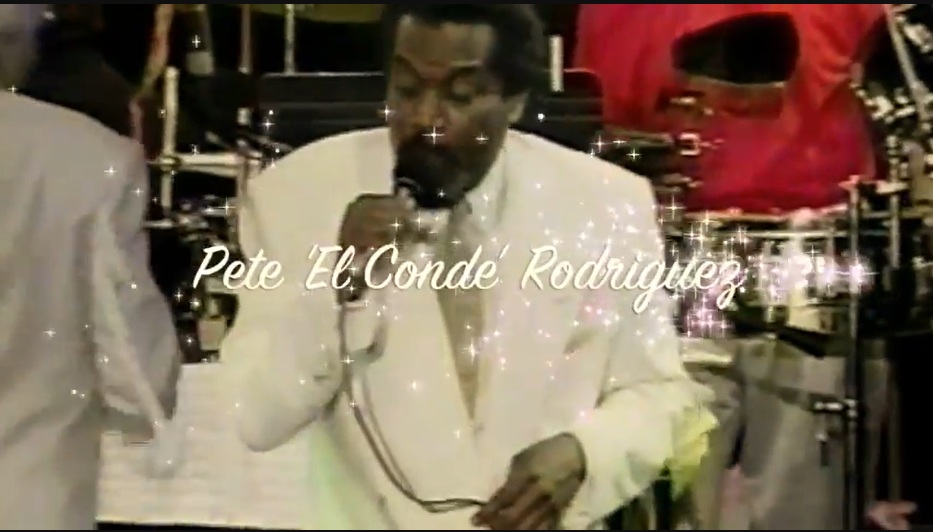
AZUQUITA MAMI Pete (El Conde) Rodríguez became one of the most recognizable voices in salsa music. He was discovered by...
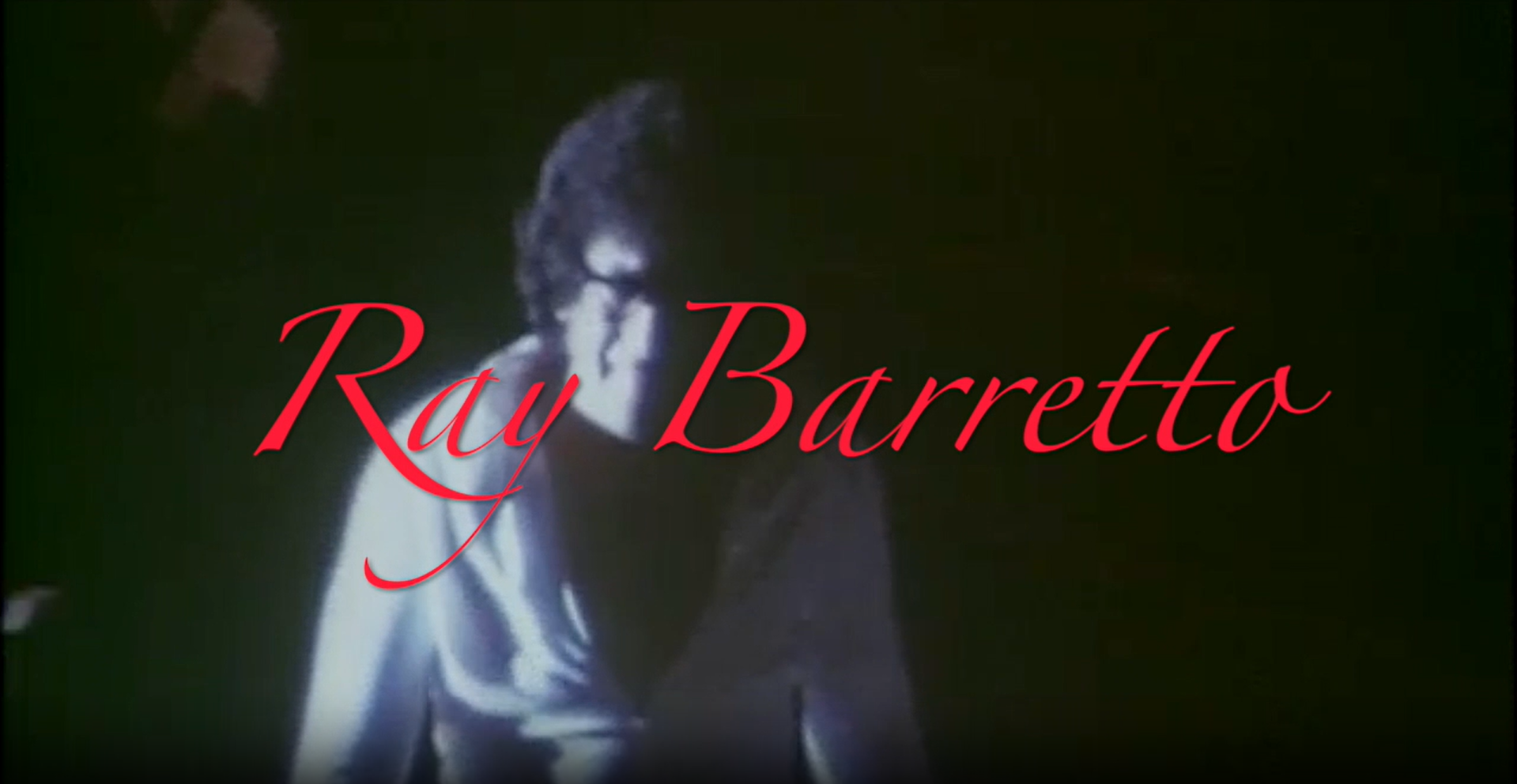
Barretto His album covers portray this large figure as an intimidator (see Indestructible, Barretto Power and Acid), but in real...


