
Graciela
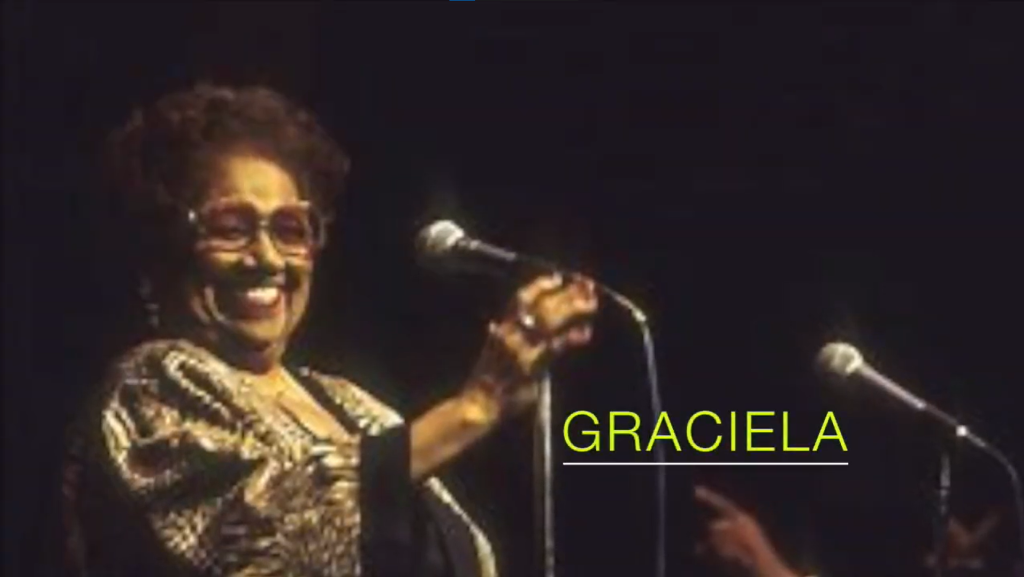
Graciela Graciela Pérez Gutiérrez, the younger sister of legendary bandleader Machito, was a groundbreaking Cuban singer celebrated as the “First Lady of Latin Jazz.” After performing with the all-female Orquesta Anacaona in Cuba, she joined Machito and His Afro-Cubans in New York in 1943. Her commanding voice, rhythmic phrasing, and vibrant stage presence helped define the sound of Afro-Cuban jazz and opened doors for generations of women in Latin music. Smithsonian National Museum of African American History and Culture https://bobbymarinmusic.com/wp-content/uploads/2026/07/graciela-vid.mp4 Share this:
LA CARTERA
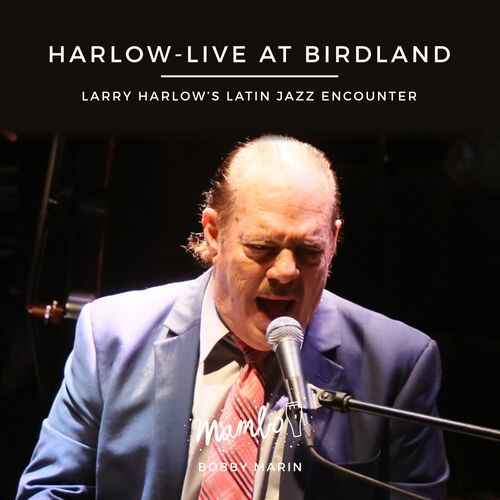
LA CARTERA The late LARRY HARLOW has been a major part of the universal success of Latin music since the 1960’s. He is considered one of the main contributors to the Fania All Stars sensational global impact. Arguably, Harlow’s biggest hit is his version of the Cuban composition, “La Cartera.” In this live recording at New York’s renowned Birdland night club, Harlow performs a LATIN JAZZ instrumental version of this Arsenio Rodriguez classic. Give a listen to this rare recording and be intrigued. 0:00 / 0:00 LA CARTERA Share this:
I like it Like that

I like it Like that Fania asked me to revisit this classic and create a slightly different version. My goal was to give it a fresh, exciting feel while staying true to the spirit of the original recording. 0:00 / 0:00 I like it Like that Share this:
CALLE OCHO
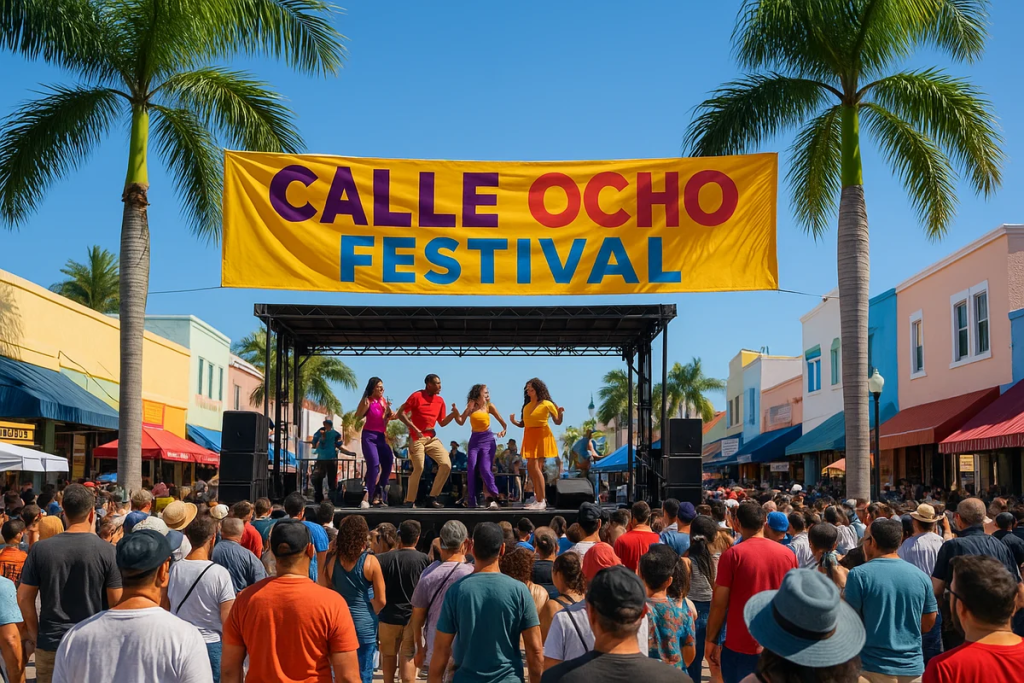
CALLE OCHO Beneath the sunshine of Miami’s famous Calle Ocho, thousands of music lovers gather to celebrate the sounds of Latin music with an all-star lineup of performers. Among them is the legendary Celia Cruz. Enjoy this excerpt from a rare, unreleased recording as Celia delivers a spirited rendition of “Cuba Qué Lindos Son Tus Paisajes.” 0:00 / 0:00 CUBA QUE LINDO SON TUS PAISAJES Share this: Leave a Reply Cancel reply Logged in as Admin_bobbymarinmusic342. Edit your profile. Log out? Required fields are marked * Message*
RIO

RIO For years, Tito Puente yearned to record with renowned saxophonist Zoot Sims. Producer Richard Marin helped make that dream a reality, bringing the musicians together with the assistance of pianist and arranger Bill Potts. They put together a group of celebrated musicians. With Tito on vibraphone and arrangements by Potts, Charlie Palmieri, and Puente himself, the album achieved a sophisticated fusion of Brazilian jazz and Latin music.https://bobbymarinmusic.com/wp-content/uploads/2026/05/rio.mp4 Share this: Leave a Reply Cancel reply Logged in as Admin_bobbymarinmusic342. Edit your profile. Log out? Required fields are marked * Message*
AZUQUITA MAMI
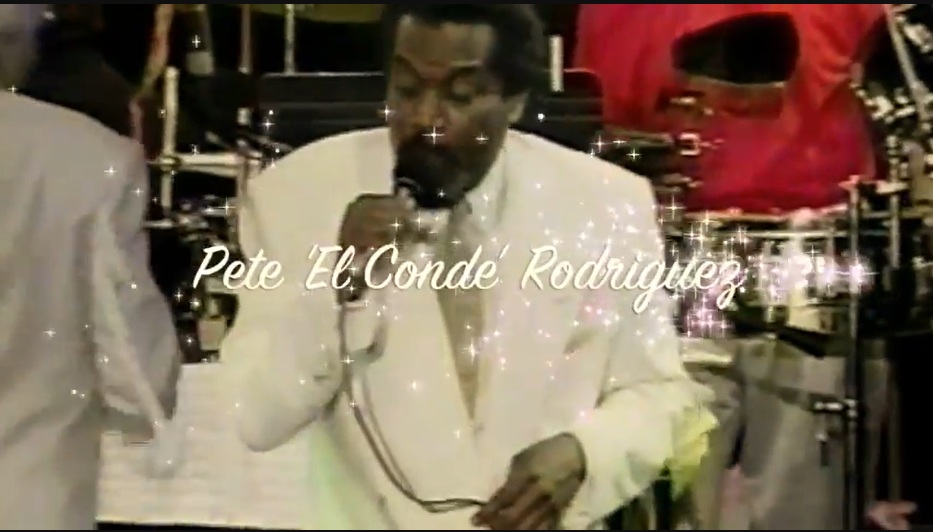
AZUQUITA MAMI Pete (El Conde) Rodríguez became one of the most recognizable voices in salsa music. He was discovered by Johnny Pacheco while performing in the Bronx and later became one of the original vocalists of the legendary Fania All-Stars. In this seven-minute video, Pete delivers a spirited performance of his classic hit “Azuquita Mami” alongside the Fania All-Stars. The video includes an electrifying piano solo by the illustrious Papo Lucca. And the footage captures the energy and excitement that made the group famous around the world, featuring appearances by many of the era’s greatest Latin music stars, along with plenty of dancing and audience enthusiasm. It is a wonderful glimpse into the golden age of salsa and the electrifying performances that helped bring the music to an international audience. Share this: Leave a Reply Cancel reply Logged in as Admin_bobbymarinmusic342. Edit your profile. Log out? Required fields are marked * Message*
Ray Barretto
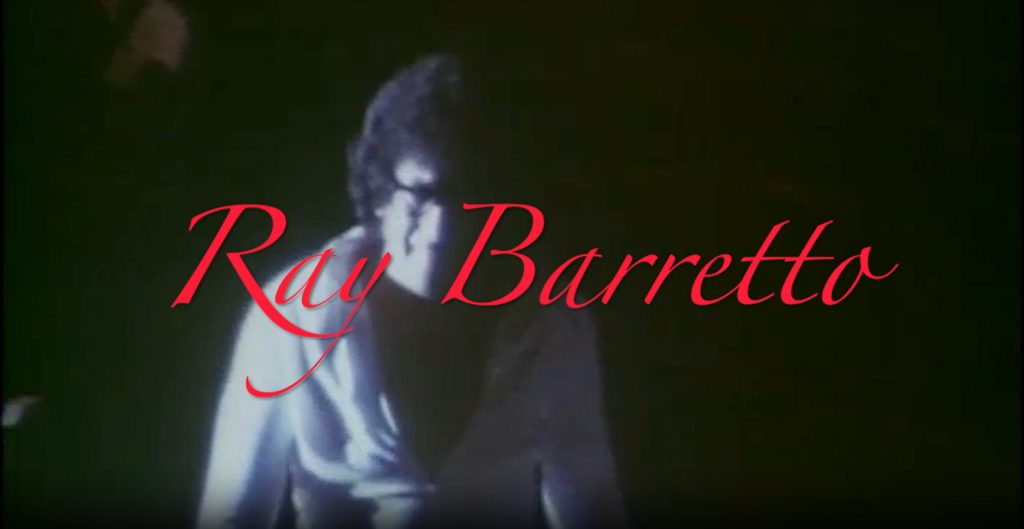
Barretto His album covers portray this large figure as an intimidator (see Indestructible, Barretto Power and Acid), but in real life Ray Barretto was a gentle giant with an enormous amount of musical know-how. You shake his huge hands and it’s like being trapped in a concrete vice, but he can create soft, meaningful sounds on his set of congas whenever the occasion calls for it. Ray Barretto is the epitome of the Puerto Rican congueros of New York. Barretto gained untold notoriety in his quest to be recognized as one of the key contributors to the sound of Latin Salsa and Latin Jazz.https://bobbymarinmusic.com/wp-content/uploads/2026/05/BARRETTO.mp4 Share this: Leave a Reply Cancel reply Logged in as Admin_bobbymarinmusic342. Edit your profile. Log out? Required fields are marked * Message*
Do You Feel It

Do You Feel It The last time I spoke with Joe Cuba was in February 2009. He was lying in a hospital bed, suffering from complications from a bacterial infection. I had an uncomfortable feeling that Joe knew his health was declining rapidly. As we discussed the album I was producing for Fania, El Alcalde del Barrio, he urged me to finish it quickly. He said, “The clock’s ticking, Bobby. Get it released already.” The album was released just a few weeks later. Sadly, he passed before ever seeing the final product. Following his passing, I put together this video for Fania featuring the track “Do You Feel It.” It was a national hit that includes Joe’s narrative, in which he speaks about his deep love for El Barrio—his community, where he was cherished by everyone. That connection is the reason I titled the album El Alcalde del Barrio—the mayor of El Barrio. For this version, I overdubbed light rhythm and featured the exquisite saxophone and flute performances of Andy Harlow to enhance this great recording. Share this: Leave a Reply Cancel reply Logged in as Admin_bobbymarinmusic342. Edit your profile. Log out? Required fields are marked * Message*
Pruebame
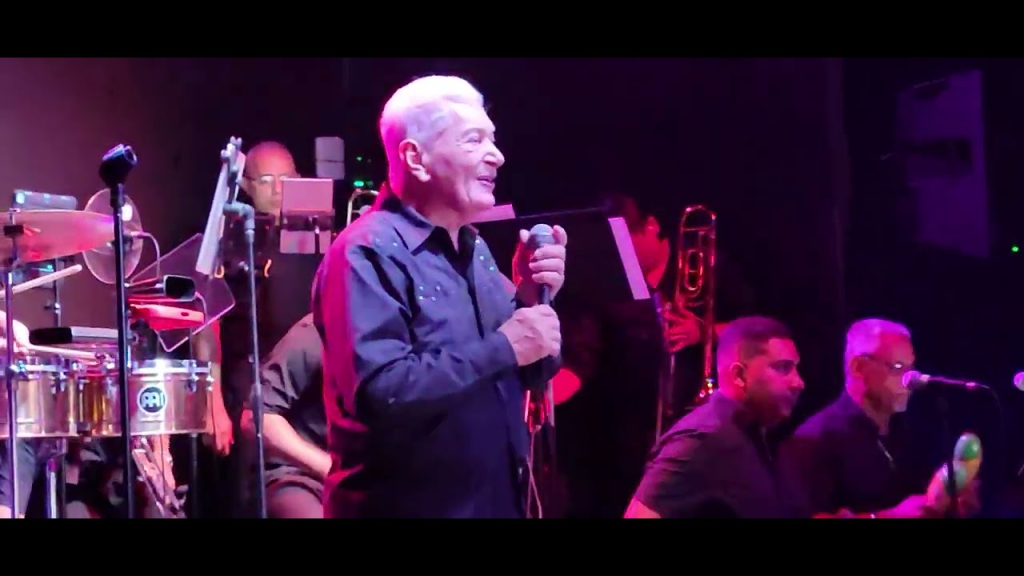
Pruebame Adalberto Santiago, born in Ciales, Puerto Rico, is one of the premier soneros/vocalists in the Latin Music industry. He began his career at a young age performing with trios, singing and playing guitar. After performing with various salsa bands throughout New York and Puerto Rico he caught his big break with the Ray Barretto orchestra as lead vocalist from the mid-sixties until 1972 when he left to perform with Tipica 73. During his career he became a solo artist for Fania and performed across the world with the renowned Fania All Stars orchestra. To his credit, Adalberto is highly respected for his work singing coro and playing percussion in recordings for top-notch Latin orchestras. While working with bandleader/arranger Louie Ramirez they combined their talents to produce PRUEBAME, a song composed by Hector Cutino and Geronim Labrada. In the song, Adalberto croons about a girl he has fallen in love with though she doesn’t know he exists. The Louie Ramirez arrangement and production is superb. Very danceable with a pleasant sound that features a grand array of popular musicians. https://bobbymarinmusic.com/wp-content/uploads/2024/04/PRUEBAME-FINAL-4_11.mp4 Featured Album Pruebame Pruebame Playing Previous Song Play Pause Next Song / Share this: Leave a Reply Cancel reply Logged in as Admin_bobbymarinmusic342. Edit your profile. Log out? Required fields are marked * Message*
Vamonos Pal Monte
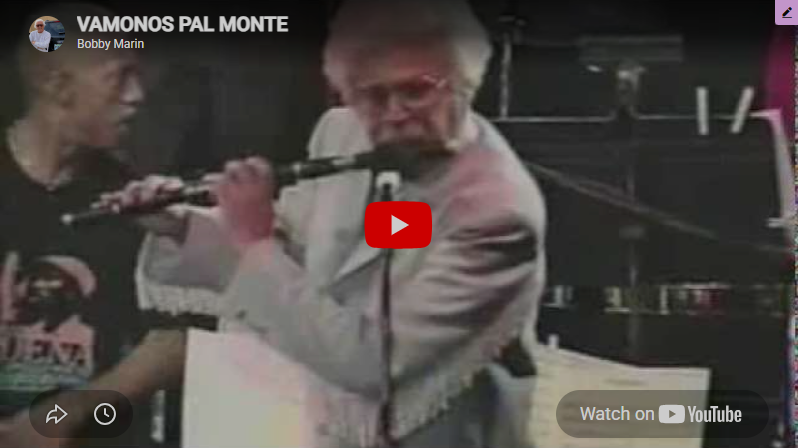
Vamonos Pal Monte I put this video together for Fania many years ago, featuring Eddie Palmieri, one of the true masters of Afro-Latin music. This performance captures the excitement and energy that made Eddie a legend. The video features extraordinary solo performances by three of Latin music’s greatest pianists—Larry Harlow, Papo Lucca, and, of course, Eddie himself—as they take turns improvising on the classic “Vámonos Pa’l Monte.” Also featured are Johnny Pacheco on flute and timbales virtuoso Nicky Marrero, while Eddie’s longtime vocalist Ismael Quintana delivers the powerful vocals that helped make the song a Latin music anthem. Viewed by more than four million music lovers worldwide, this remains one of Fania’s most popular and enduring videos. — Bobby Marin Share this:


